
The Bajío is drawing U.S. manufacturers and logistics firms that want speed to market and stable rules. With USMCA and CPTPP in place, Mexico set a record $36.87 billion in FDI in 2024, and the region of Guanajuato, Querétaro, State of Mexico, and Zacatecas stands out for nearshoring. This guide offers a clear Legal Checklist for Industrial Real Estate Investment in Bajio so you can move fast without missing key steps.
Here you will find the Bajio industrial property investment legal framework explained in plain terms. We highlight industrial real estate investment legal requirements that affect site selection, title transfer, taxes, and permits. You will also learn how exchange control freedom, a 30% corporate income tax, a 16% VAT, and Mexico’s double tax treaties can shape your model.
We cover legal guidelines for investing in Bajio real estate from the first inquiry to closing before a Notario Público. Expect practical notes on Article 27 ownership rules, SRE permits, and when a trust is needed. We also flag ESG norms set by leaders like Corporación Inmobiliaria Vesta, which are now part of market due diligence.
Whether you plan an S.A. or S. de R.L., or explore a branch treated as a permanent establishment, structure matters. National treatment applies in most sectors, but some activities remain restricted or capped. With Discover Bajio as a local ally, you can align compliance, speed, and capital efficiency from day one.
Understanding the Legal Landscape in Bajio
The Bajío has become a magnet for manufacturers and logistics firms, and smart buyers track Bajio real estate regulations early. To Discover Bajio with confidence, plan for industrial real estate legal compliance at the outset and map the steps that secure title, permits, and tax clarity.
Most sites in Querétaro, Guanajuato, the State of Mexico, and Zacatecas lie outside restricted zones, which helps foreign investors seeking direct title under industrial real estate ownership laws. Transactions still demand precise filings, strong due diligence, and clear legal considerations for industrial real estate investment from letter of intent to deed registration.

Overview of Legal Framework for Industrial Properties
Deals must close before a Notario Público who certifies legality, validates the chain of title, and files the deed with the Registro Público de la Propiedad.
Mexico’s network of BITs, plus USMCA and CPTPP, adds investor protections and recognized arbitration routes. These safeguards support bankable outcomes and shape key legal considerations for industrial real estate investment across the region.
Regulatory Bodies and Their Roles
- SRE: Issues mandatory permits for foreign real estate acquisitions; typical processing takes 2–5 weeks and embeds the Calvo Clause.
- Public Registry of Property: Records deeds and encumbrances; registration is required for enforceability and clarity on liens.
- Ministry of Economy: Handles branch authorizations, RNIE registration within 40 working days, quarterly updates, and the annual report for companies with foreign shareholders.
- Notario Público: State-appointed legal authority who runs title research, lien and tax certificates, prepares the deed, and registers it.
- State and Municipal Authorities: Oversee zoning, land use, construction, operating permits, and collect acquisition taxes for industrial sites.
- CNIE: Grants approvals to exceed foreign ownership caps in regulated sectors when applicable.
Together, these entities shape how Bajio real estate regulations are applied on the ground and frame the roadmap for industrial real estate legal compliance from term sheet to registry stamp.
Key Legal Terms to Know
| Term | What It Means | Why It Matters |
|---|---|---|
| SRE Permit | Property-specific authorization for foreign buyers, processed in 2–5 weeks and includes the Calvo Clause. | Required for direct title in the Bajío under industrial real estate ownership laws. |
| Calvo Clause | Waiver of diplomatic protection; disputes handled under Mexican jurisdiction. | Sets forum and reduces sovereign friction in cross-border deals. |
| Fideicomiso | Bank trust (50-year renewable) used in restricted zones; trustees include Banco del Bajío, Monex, HSBC, Banamex, Santander. | Enables beneficial ownership where direct title is limited by law. |
| Certificado de libertad de gravámenes | Lien certificate confirming no recorded encumbrances. | Protects lenders and buyers from hidden debt during closing. |
| Certificado de no adeudo | Proof of no unpaid property taxes. | Prevents surprise liabilities and registry delays. |
| Registro Público de la Propiedad | Public registry for deeds, liens, and title history. | Makes rights enforceable and supports transparent sales. |
| Ejido | Communal land with complex rules and long regularization processes. | High-risk for industrial buyers; often excluded from site selection. |
| RNIE | National Foreign Investments Registry for companies with foreign shareholders. | Ensures ongoing compliance through filings and reports. |
| Variable Capital | Corporate feature allowing capital changes within limits without bylaw amendments. | Adds funding flexibility for expansions and upgrades. |
Use these terms when you map legal considerations for industrial real estate investment and coordinate filings. With a clear view of institutions and documents, it’s easier to Discover Bajio opportunities while staying aligned with Bajio real estate regulations.
Related articles




Essential Legal Documents for Industrial Investment
Strong files shorten timelines and reduce risk. In the Bajio, investors rely on an industrial property due diligence checklist to meet industrial real estate investment legal requirements and align with Bajio real estate regulations. The focus is simple: verify ownership, lock in clear lease terms, and confirm environmental approvals for industrial real estate legal compliance. Discover Bajio with documents that stand up to audit and lender review.

Title Deeds and Ownership Verification
Begin with the escritura signed before a Notario Público and recorded at the Registro Público de la Propiedad. Confirm an unbroken chain of title and the seller’s authority to convey the asset.
Order a certificado de libertad de gravámenes to check liens, mortgages, judicial notes, and easements. Match the cadastral certificate and a professional survey to the deed’s metes and bounds.
Obtain tax and utility clearances, including certificado de no adeudo for municipal property taxes and proof of paid water and power. Exclude ejido land, and verify zoning and land-use permits for industrial operations.
For foreign buyers, add the Secretaría de Relaciones Exteriores (SRE) permit with the Calvo Clause to the closing file. These steps anchor the industrial property due diligence checklist and support industrial real estate legal compliance.
Lease Agreements: What to Include
Verify parties and signatory powers, including corporate resolutions and RFC registration for S.A. and S. de R.L. entities. Set a multi‑year term with renewal or expansion options that fit project cycles.
Define base rent, index-based adjustments, triple‑net allocations, and clear CAM formulas common in industrial parks. Align permitted use with zoning, and include covenants for environmental, health, and safety compliance.
Allocate structural and non‑structural maintenance, approval paths for improvements, and restoration duties. Require insurance certificates, indemnities, and business interruption coverage when relevant.
Environmental Impact Assessments
Secure environmental licenses and permits before construction or operation. Scope the EIA to address regulatory transition risks, local climate impacts, and mitigation plans tied to efficiency targets.
Document LEED goals, on‑site solar where feasible, and water‑saving systems. Verify land‑use limits and any protected area designations to satisfy industrial real estate investment legal requirements.
Include environmental permits, prior construction authorizations, and compliance evidence in the closing binder. Track post‑close actions with a Responsible Investment Checklist to maintain industrial real estate legal compliance and support Discover Bajio initiatives.
- Ownership and encumbrances validated and recorded
- Lease economics, risk transfer, and use controls defined
- Permits, EIAs, and ongoing ESG reporting organized
Steps to Ensure Compliance and Successful Transactions
Hiring Local Legal Experts
Start with a Mexican real estate attorney and a seasoned Notario Público who handle foreign and industrial deals in Guanajuato and Querétaro. Verify licenses, deal history, and regional knowledge. Add corporate counsel to structure an S.A., S. de R.L., or branch, manage RNIE registration within 40 working days, and handle Ministry of Economy filings for branches.
Conducting Due Diligence
Phase 1: Select the property and sign a promissory agreement, placing 10–20% earnest money in escrow with a neutral third party. Phase 2: Apply for the SRE permit; if in a restricted zone, use a 50-year renewable fideicomiso with banks like Banco del Bajío, Monex, HSBC, Banamex, or Santander, or form a Mexican company, and engage the Notario Público.
Phase 3: Run title checks, lien certificates, tax clearance, appraisal, and utility verification. Confirm zoning, construction permits.
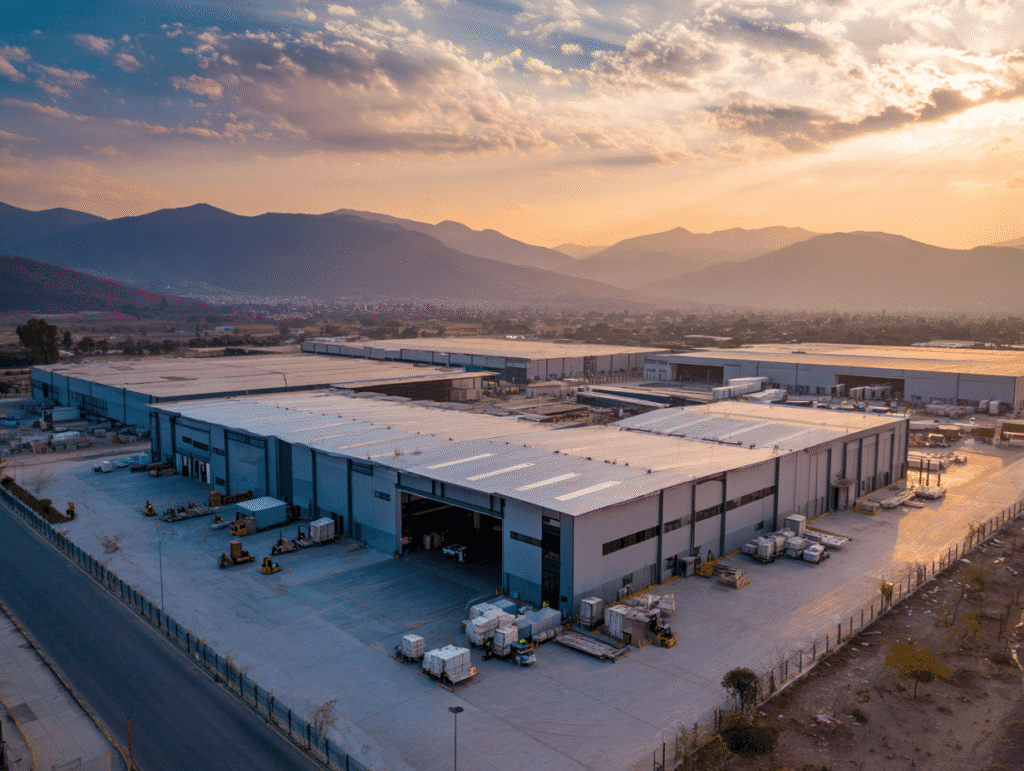
Discover Bajío is your trusted ally for industrial property investment and Softlanding success in Mexico