
The Bajio has become a prime hub for manufacturing and logistics, with Guanajuato, Querétaro, and San Luis Potosí leading new projects. Investors from the United States look here for stable operations, skilled labor, and cross-border access under the USMCA. To make sound decisions, you need clear insight into industrial real estate tax Bajio frameworks and how they influence costs and timelines.
Understanding Industrial Property Taxes in Bajio goes beyond annual bills. It ties into Bajio tax laws on acquisitions, local Predial rates, and recording fees. It also intersects with federal programs such as IVA and IMMEX that affect cash flow and compliance. Getting these details right can sharpen site selection and protect margins from day one.
Recent data highlights why this region stands out. Industrial absorption surged in 2020, with strong activity in Guanajuato and Querétaro and new construction across key corridors. Companies like Pollmann chose the Bajio to serve American clients more efficiently, citing USMCA advantages. In that context, knowing Bajio tax regulations helps you model total occupancy costs with confidence.
Discover Bajio supports investors who want a practical view of obligations and incentives. We translate complex rules into clear steps for budgeting and diligence, from transfer taxes to IVA treatment under IMMEX. This guide sets the stage for what to expect and how to plan under Bajio tax laws so expansions stay on schedule and within budget.
What Are Industrial Property Taxes?
Industrial property taxes in Mexico shape site costs and long-term budgets for manufacturers and logistics operators. In the Bajio, local governments set industrial property tax rates under Bajio tax regulations, which affect plants, warehouses, and build-to-suit assets across Guanajuato, Querétaro, and San Luis Potosí.
Understanding how to calculate industrial property taxes helps investors separate ongoing costs from one-time closing charges and plan cash flow with precision for the industrial real estate tax Bajio environment.
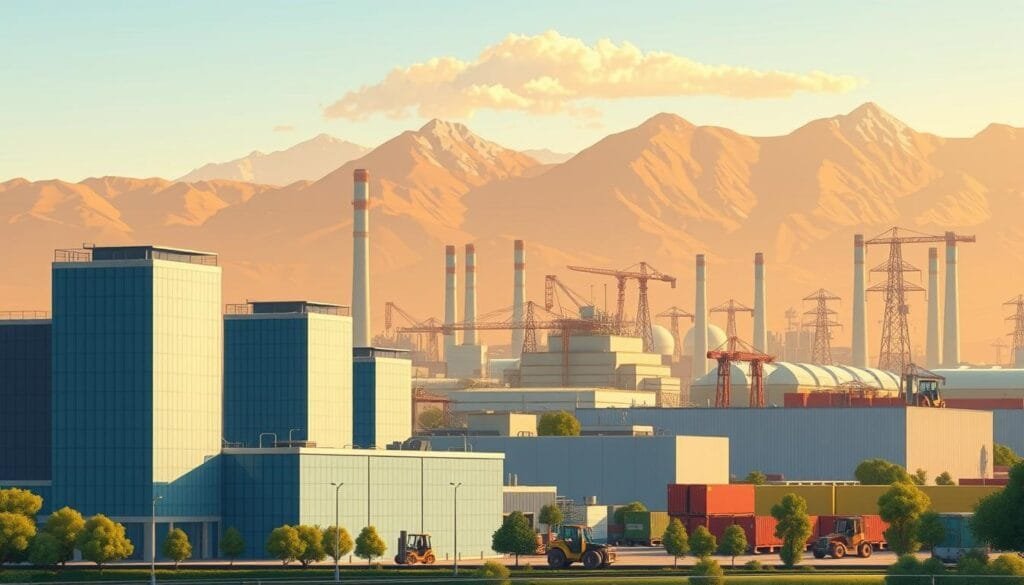
Definition and Purpose
Municipal Predial is the annual levy on land and buildings. It funds local services that industry relies on, including roads, utilities, and public works. Predial is distinct from VAT (IVA), which is a federal consumption tax at 16% nationwide.
At acquisition, the Property Acquisition Tax (ISAI) applies, and transfer taxes also apply at closing. IMMEX can ease VAT on temporary imports for exporters, but it does not replace Predial under Bajio tax regulations.
Types of Industrial Properties Subject to Tax
Predial covers factories, logistics warehouses, e-commerce fulfillment centers, light manufacturing sites, and build-to-suit projects.
How Industrial Property Taxes Are Calculated
Municipalities assess Predial using a cadastral value for land and improvements, which may differ from market value. Annual bills typically fall due by March 31, and some cities offer early payment discounts in January or February. Knowing local industrial property tax rates is key to accurate budgeting.
Related articles




Importance of Understanding Industrial Property Taxes in Bajio
The Bajio is scaling fast, and knowing the industrial real estate tax Bajio landscape can make or break returns. The Importance of Understanding Industrial Property Taxes in Bajio lies in how Predial, ISAI, and fees stack up across cities that compete for capital.
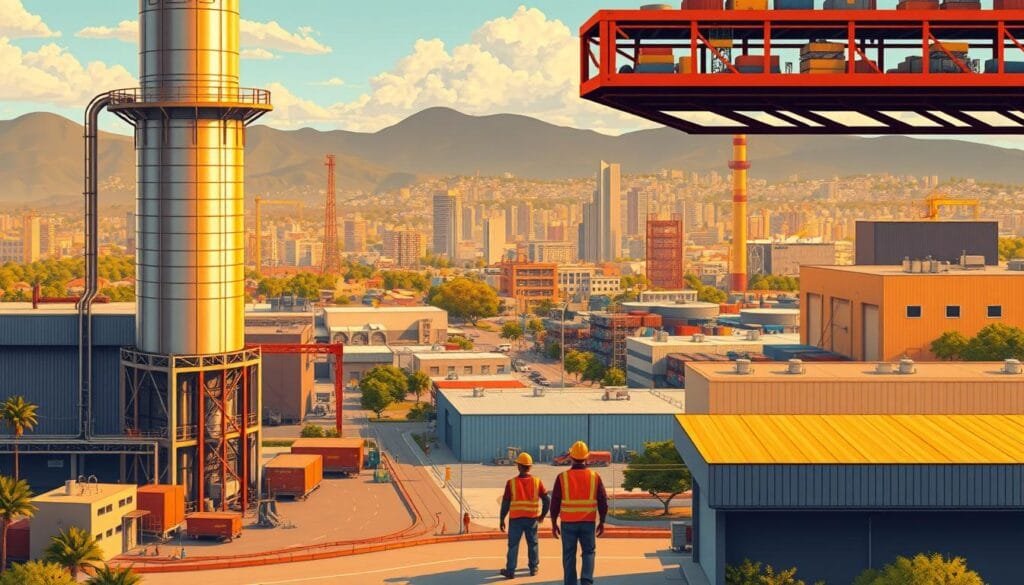
Impact on Industrial Real Estate Investment
Nearshoring under the USMCA, e-commerce growth, and expansions in Guanajuato and Querétaro pushed net absorption up 28% in Q3 2020 versus Q3 2019, with 400,000+ square meters under construction.
Manufacturers using IMMEX can cut VAT on temporary imports and pursue refunds on eligible inputs, boosting liquidity.
Common Misconceptions
- VAT replaces property taxes: False. VAT (IVA) is a federal consumption tax; municipal Predial still applies across the industrial real estate tax Bajio market.
- The 8% VAT rate applies nationwide: False. It is limited to certain northern border states, not the Bajio.
- IMMEX eliminates all taxes: False. IMMEX can exempt VAT on temporary imports and speed refunds, but it does not remove Predial or acquisition-related levies.
- All Mexico real estate needs a Fideicomiso: False. Trusts are required only in restricted zones near coasts or borders. The Bajio is generally outside these areas.
| Cost Component | Typical Range | When It Applies | Investor Takeaway |
|---|---|---|---|
| Predial (Municipal Property Tax) | Varies by municipality | Annual; often due by March 31 | Budget early; check discounts and property tax exemptions in Bajio where available. |
| ISAI (Acquisition Tax) | 2%–5% | On purchase of property | Model in closing costs; key to the Importance of Understanding Industrial Property Taxes in Bajio. |
| Transfer Tax | 2%–3% | On asset transfer | Affects total cost of ownership in the industrial real estate tax Bajio market. |
| Registry Fees | 0.5%–1% | Public registry recording | Confirm timelines to avoid delays in possession and rent commencement. |
| Notary Fees | 0.5%–1% | Deed and closing formalities | Shop quotes early; align with lender and title requirements. |
| VAT (IVA) | 16% standard | On goods/services; 8% not in Bajio | IMMEX can reduce VAT on temporary imports; Bajio industrial tax incentives remain local. |
Navigating Industrial Property Taxes with Discover Bajio
Understanding Industrial Property Taxes in Bajio is easier when you have local guidance. Discover Bajio supports U.S. manufacturers and logistics operators with on-the-ground insight into Bajio tax laws and the realities of each corridor.
Tips for Efficient Tax Management
Mark Predial due dates by March 31 and look for early payment discounts.
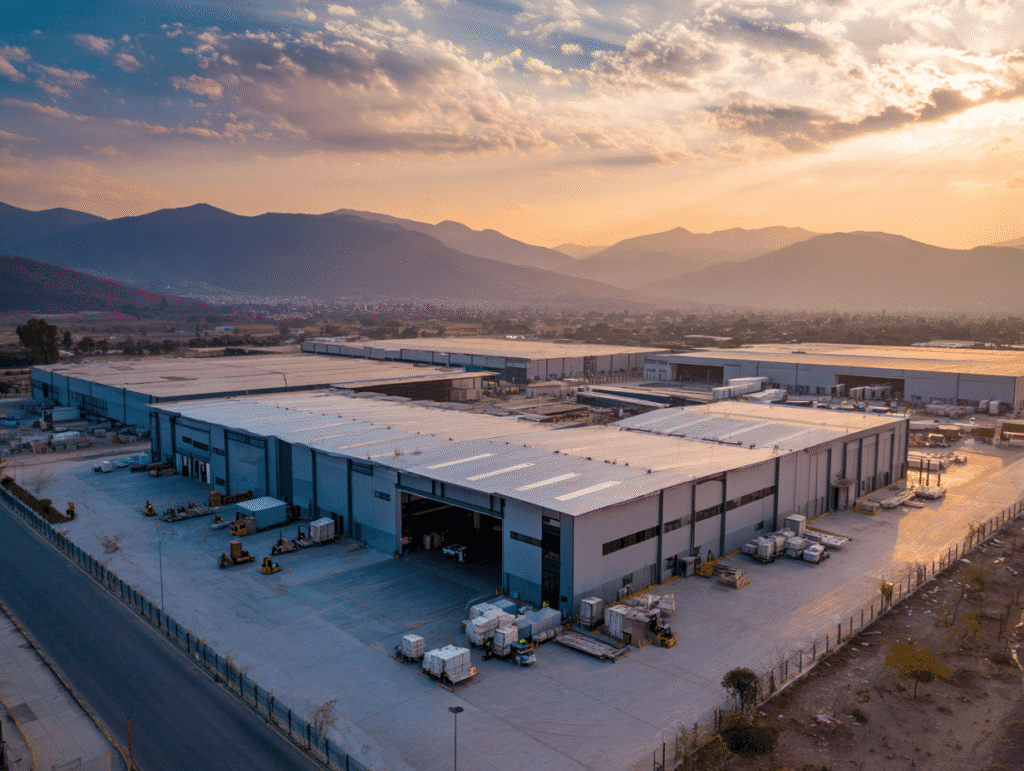
Discover Bajío is your trusted ally for industrial property investment and Softlanding success in Mexico